
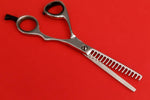
Deciding whether to thin your hair depends on your hair type, thickness, and the skill of your stylist. Thinning scissors can transform heavy, unmanageable hair into a lighter, more styled look — but they can also cause damage if used incorrectly or on the wrong hair type. Here are the honest pros and cons to help you decide.
The Pros of Thinning Hair With Scissors

Reduces bulk and weight. Thick, heavy hair can feel uncomfortable, especially in warmer months. Thinning removes internal weight without changing the overall length or shape of the haircut. The result is lighter, cooler, and easier to manage.
Creates texture and movement. Thinning scissors add natural-looking texture that gives hairstyles a modern, effortless feel. Without thinning, thick hair can sit flat and heavy. With thinning, it gains movement, bounce, and shape.
Maintains shape between salon visits. A well-thinned haircut holds its shape longer as it grows out. Without thinning, thick hair tends to become boxy and shapeless within a few weeks.
Enables blended layers and graduation. Thinning scissors are essential for softening blunt lines between layers, creating seamless graduation, and finishing pixie cuts and bobs.
Personalises the cut to head shape. An experienced stylist uses thinning scissors to sculpt the hair around the client's head shape, face shape, and natural growth patterns — something cutting scissors alone cannot achieve.
Works on all hair lengths. Thinning can be used on short, medium, and long hair. The technique and tooth count are adjusted for each length.
The Cons of Thinning Hair With Scissors
Easy to over-thin. This is the biggest risk. Once hair is removed, you cannot put it back — you wait 3-6 months for regrowth. Inexperienced stylists can easily get carried away with thinning scissors, especially on the first try.
Can cause frizz. Thinning scissors cut hair at different lengths within a section. On curly or fine hair, these shorter pieces can stick out and create frizz, flyaways, and an unruly texture.
May cause split ends. Blunt or low-quality thinning scissors tear hair rather than cutting it cleanly. This tearing creates ragged ends that split and travel up the shaft. Always ensure your stylist uses sharp, professional-grade shears.
Not ideal for long hair crown. Thinning the top or crown area of long hair can create short pieces that stick up and are impossible to hide. Thinning should focus on mid-lengths and ends.
Requires skill. Not all hairdressers are equally skilled with thinning scissors. A poorly executed thin can ruin a hairstyle, while a well-executed one can transform it. Ask your stylist about their approach before they start.
Can make thin hair look thinner. If your hair is already fine or thin, thinning scissors will remove more of the volume you have, making it look even sparser. Thinning is for thick, heavy hair — not thin hair that lacks volume.
Who Should and Shouldn't Get Their Hair Thinned
| Good candidates for thinning | Avoid thinning |
|---|---|
| Thick, coarse, heavy hair | Fine, thin, or sparse hair |
| Hair that becomes boxy when growing out | Very curly or coiled hair (causes frizz) |
| Straight or wavy hair | Chemically processed or damaged hair |
| Hair with excess bulk at the ends | Hair that is already thinning from age or health |
Alternatives to Thinning Scissors
If thinning scissors are not suitable for your hair type, there are other ways to reduce bulk and add texture:
- Point cutting — cutting into the ends at an angle to soften and remove weight without the risk of over-thinning
- Razor texturising — using a styling razor to create soft, tapered ends with natural movement
- Slide cutting — a technique where the scissors glide along the hair shaft to remove weight gradually
How to Ask Your Hairdresser About Thinning
Communication is key. Try these phrases:
- "Can you take some weight out without changing the length?"
- "I'd like just a little texture — not too much removed"
- "Can you thin the ends but leave the crown area alone?"
- "I've had a bad experience with thinning scissors before — can you go slowly and check in?"
Frequently Asked Questions
Is thinning out hair bad for your hair?
Not when done correctly with sharp, quality scissors by an experienced stylist. Risks arise from over-thinning, blunt scissors, or thinning unsuitable hair types. When done well, thinning improves manageability and style.
Will thinned hair grow back to normal?
Yes. Thinning scissors cut strands shorter but do not damage the follicle. Hair grows back at approximately 1 inch per month. Full volume returns within 3-6 months depending on how much was removed.
How often should you thin your hair?
Every 6-8 weeks for thick hair, aligned with your regular haircut. Thinning more often than every 4 weeks risks cumulative damage. For moderately thick hair, every 2-3 months is sufficient.
Read more about whether hair grows back after thinning or learn about the risks of thinning scissors.
Tags
Comments
-
I have long curly hair that can be a pain to deal with every morning. I try to get it thinned out enough so it’s more manageable but that hasn’t always worked. Now I have a better idea why past stylists have messed up: they don’t know how to use thinning scissors. This blog helped me understand the pros and cons of thinning scissors and it’s clear why past stylists have failed and my current one hasn’t.
-
Wow, I had no idea you could actually damage hair using these types of scissors to the point where it can cause issues with growth! I always go to the same stylist but she has since moved. I have been going to her for over 7 years now. I had to make an appointment with someone new and I noticed that he tends to use these types of scissors. I am a bit worried now. Would it be rude to request of him to not use them? I don’t want to have issues with growing out my hair!
Blog posts